पण्डित पुरुषोत्तमशास्त्री फडके संस्कृत पाठशाला
A pathshala that reopened online, a hundred years on
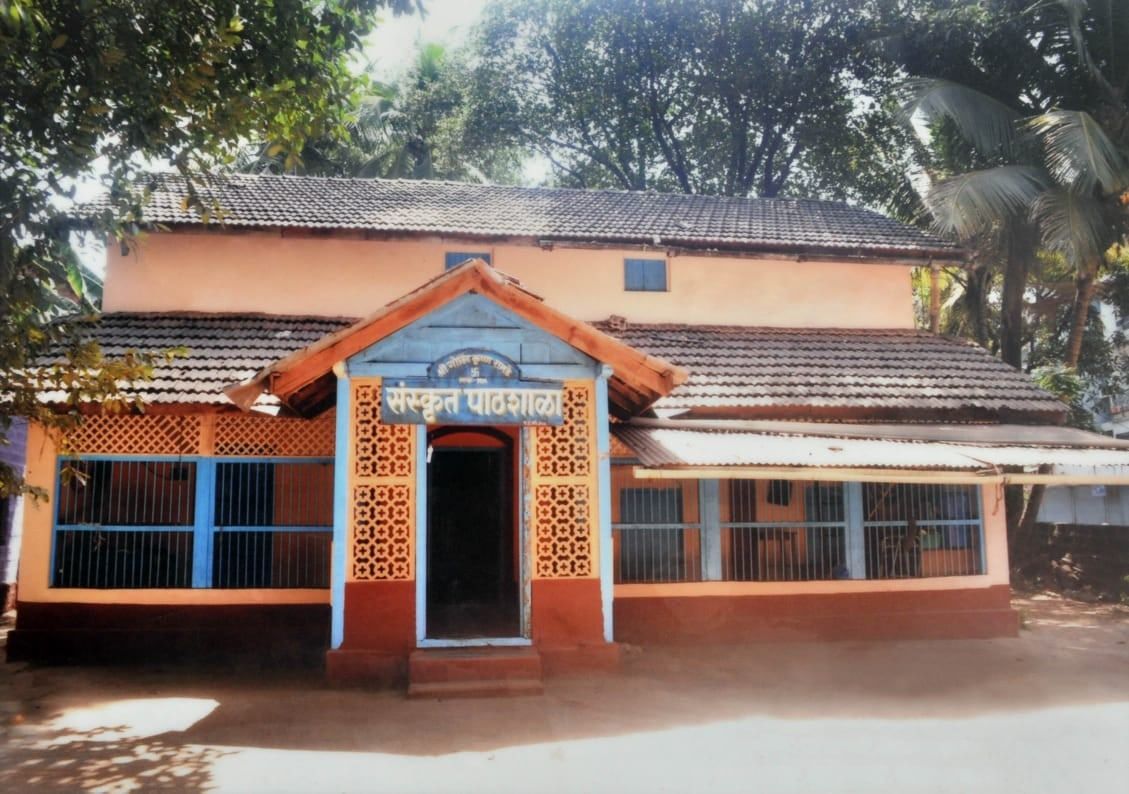
The Pathshala was founded on Saraswati-Pujan day, 6 October 2019, in Pune — named for, and in memory of, the grammarian and Vedanti whose own student life and teaching career began in a house among the fruit trees of Ratnagiri.
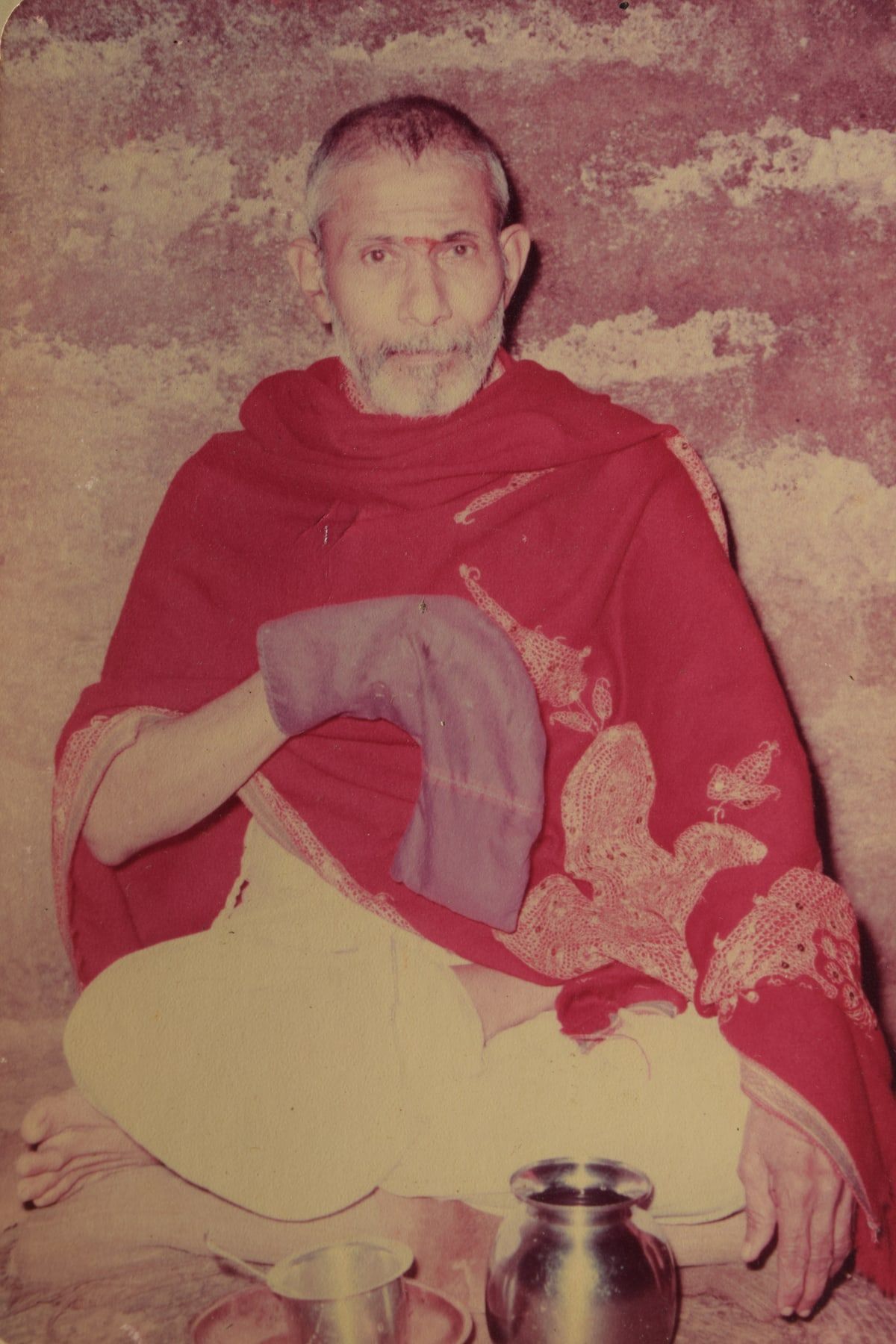
Phadke, 1973
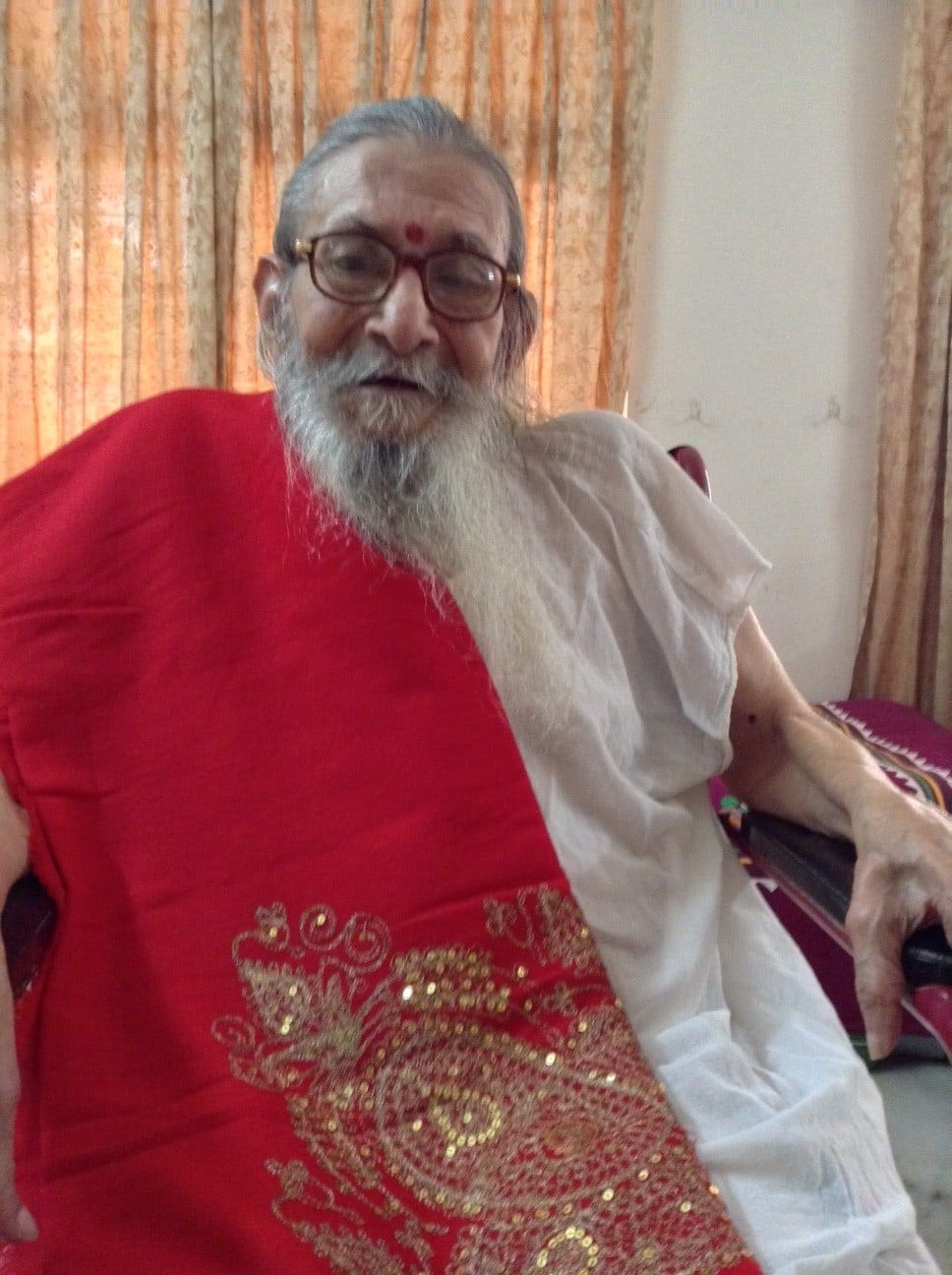
The founder's father · 1915–2015
Pundit Purushottamshastri Phadke
Sent at eleven to the Sanskrit pathshala at Ratnagiri, he studied fifteen years under Pundit Digambarshastri Joshi Kashikar and took the degree of Vyakaranacharya from Varanasi. In 1947 he returned to that same pathshala as its Acharya.
He gave thousands of lectures on the Bhagavadgeeta, the Upanishads and Yogavasishtha, taught generations of students, and remained a living example of what he taught. He also played contract bridge, followed cricket closely, and never missed a Wimbledon final. He was active and teaching until the age of ninety-eight.
His lifelong wish was that Sanskrit should reach anyone who wanted it, wherever they were. This Pathshala exists to carry that out.
Your teacher
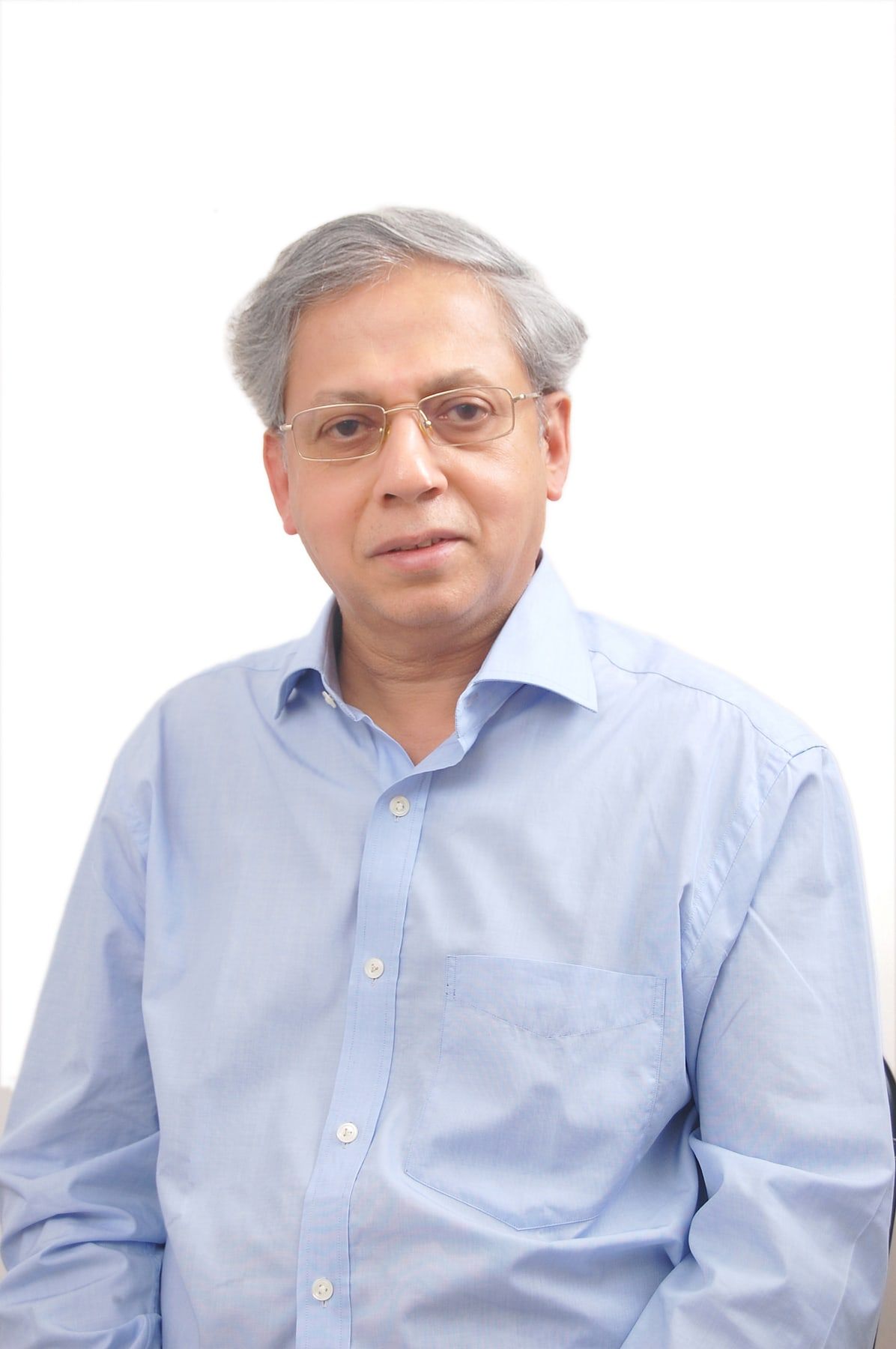
Neelakanth Phadke
He began learning Sanskrit at five, from his father, and has not stopped since. In 1976 he topped Pune University's M.A. Sanskrit papers. He carries thousands of Subhashitas, the whole Bhagavadgeeta and Panini's Ashtadhyayi in memory.
Alongside a forty-five year career in insurance and investment in India and Japan, he translated the Encyclopaedia in Sanskrit — the eight-thousand-verse Manasollas — into Marathi, and in 2016 published a Marathi grammar of Sanskrit for beginners.
In 2019 he taught a group of eager students in Brazil — none of them Indian, all of them serious. That convinced him the language could be taught well online, and the Pathshala opened later the same year.
How we teach
Live, never recorded lectures
One lecture a week, taught to the people in the room. You can ask a question the moment it occurs to you.
Word by word
Texts are read as texts, not summarised. Every word is accounted for before the class moves on.
English or Marathi
Whichever the cohort prefers. Sanskrit terms stay in Sanskrit either way.
Small cohorts
Small enough that the teacher knows how each student is getting on, and can slow down when needed.
Try before you commit
Pay for the foundation block first. Continue only if the course suits you.
Grammar with stories
Panini’s framework, but carried by Hitopadesh tales and Subhashitas so it stays memorable.